Deep Cleaning Teeth Cost Without Insurance: 7 Ways to Save
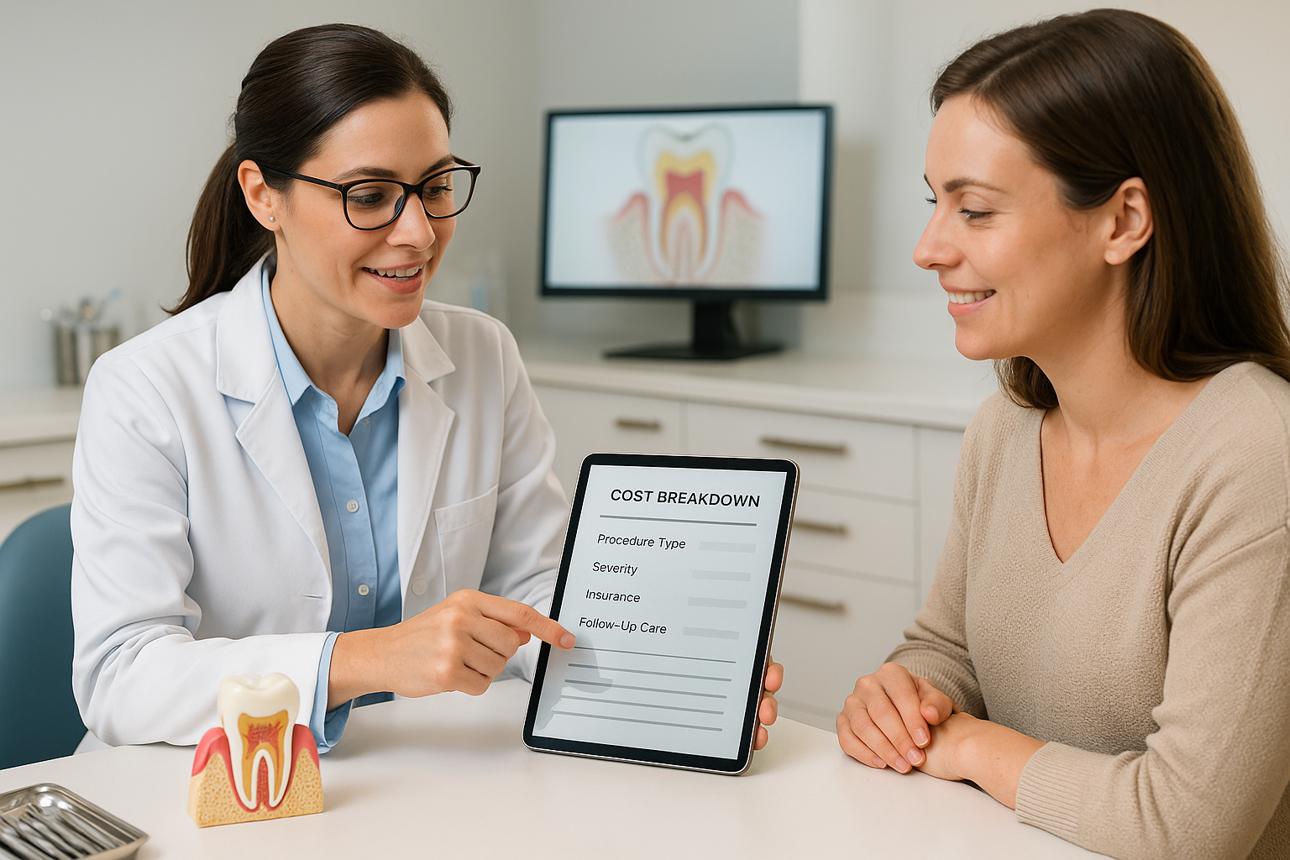
If your dentist has recommended a deep teeth cleaning, you may be wondering how much the treatment will cost without dental insurance. The price can vary depending on where you live, how much of your mouth needs treatment, and whether you need additional dental services.
In the United States, deep cleaning is commonly called scaling and root planing. Delta Dental lists an average uninsured cost of $180 to $295 for treatment of one quadrant, or one-fourth of the mouth. The total can be considerably higher when multiple quadrants need treatment. Source: Delta Dental.
The good news is that you can compare written estimates, ask about self-pay discounts, and explore lower-cost dental clinics before scheduling treatment.
This guide explains deep cleaning teeth cost without insurance, what the procedure involves, how it differs from regular cleaning, and practical ways to manage the expense.
How Much Does Deep Cleaning Teeth Cost Without Insurance?
The cost of deep dental cleaning depends on the number of areas that require treatment and the fees charged by your dental office.
According to Delta Dental’s published cost guide, periodontal scaling and root planing costs an average of $180 to $295 per quadrant without dental benefits. These figures are a useful reference, but they are not a guaranteed quote for every location or patient.
Estimated deep cleaning costs
| Type of cleaning | Published cost without dental benefits |
|---|---|
| Regular dental cleaning | $85–$160 |
| Full-mouth debridement | $150–$260 |
| Deep cleaning, one quadrant | $180–$295 |
| Periodontal maintenance, full mouth | $140–$220 |
Source: Delta Dental. These are published cost ranges, not a personalized treatment estimate. Prices may change.
A quadrant is one of four sections of your mouth: upper right, upper left, lower right, or lower left. Dentists commonly charge for scaling and root planing by quadrant.
For example, if a practice quotes $250 per quadrant and recommends treatment in all four quadrants, the estimated procedure fee would be $1,000 before any additional charges or discounts. This is an illustrative calculation, not a national average.
Your actual bill may include a dental examination, X-rays, local anesthetic, or other services, depending on your treatment plan. Ask whether these items are included in the quote.
What Is Deep Dental Cleaning?
Deep dental cleaning is a periodontal treatment used to manage gum disease. Its clinical name is scaling and root planing.
During scaling, the dental professional removes plaque and hardened tartar from the tooth surfaces, including areas below the gumline. During root planing, the roots are smoothed to help reduce bacterial buildup and support gum healing.
The procedure differs from routine cleaning because it targets deposits in deeper gum pockets rather than focusing only on preventive cleaning around otherwise healthy gums.
According to the American Dental Association’s consumer resource, MouthHealthy, deep cleaning may be recommended when gum pockets are too deep for a routine professional cleaning to address adequately.
Who may need deep cleaning?
A dentist or periodontist may recommend an evaluation for periodontal treatment if you have symptoms such as:
- Gums that bleed during brushing or flossing.
- Persistent gum inflammation or tenderness.
- Gums that appear to pull away from the teeth.
- Persistent bad breath.
- Deep gum pockets identified during a dental examination.
These symptoms do not automatically mean you need scaling and root planing. A dental professional must evaluate your gums and determine the appropriate treatment.
Deep Cleaning vs. Regular Cleaning
Understanding the difference between deep cleaning and regular cleaning can help you understand why the prices are different.
| Feature | Regular cleaning | Deep cleaning |
|---|---|---|
| Main purpose | Preventive oral care | Treating gum disease |
| Treatment area | Mainly tooth surfaces around the gumline | Tooth surfaces and roots below the gumline |
| Typical patient | People who need routine preventive care | People with periodontal pockets and gum disease |
| Pricing method | Often one fee for the visit | Often priced by quadrant |
| Anesthesia | Usually not necessary | May be needed for comfort |
| Follow-up | Based on routine dental needs | May include periodontal maintenance |
A regular cleaning is not a substitute for deep cleaning when periodontal disease requires treatment. Likewise, deep cleaning is not automatically necessary for everyone.
If a dentist recommends deep cleaning, ask what the examination showed, which areas need treatment, and why a routine cleaning would not be sufficient.
What Factors Affect the Cost of Deep Teeth Cleaning?
Several factors can affect your out-of-pocket expense.
1. Number of quadrants treated
The more sections of your mouth that require treatment, the higher the total fee may be. Ask whether the dentist recommends treating one, two, three, or all four quadrants.
2. Severity of gum disease
More extensive deposits or deeper periodontal pockets may require additional time and care. Your dentist should explain how the findings affect the treatment plan.
3. Location of the dental practice
Dental fees can differ between states, cities, and individual practices. A price quoted in one metropolitan area may not reflect what a patient pays elsewhere.
4. Dentist or specialist fees
A general dentist and a periodontist may have different fee schedules. The right provider depends on your clinical needs, not price alone.
5. Additional services
An examination, dental X-rays, local anesthetic, or other recommended periodontal services may add to the total. Ask for an itemized estimate before treatment.
6. Number of appointments
Some patients can complete treatment in one or two visits, while others need several appointments. The number of visits depends on the treatment plan and should not be assumed from the total price alone.
Does Dental Insurance Cover Deep Cleaning?
Many dental insurance plans cover at least part of periodontal scaling and root planing when the treatment meets the plan’s requirements. However, coverage varies by insurer, policy, deductible, annual maximum, and treatment history.
Do not assume that deep cleaning will be covered in the same way as a routine preventive cleaning. Periodontal treatment may be processed under different benefit provisions.
Before booking, ask your insurance company:
- Is scaling and root planing covered under my plan?
- What deductible remains?
- What percentage or fixed amount will the plan pay?
- Is my dentist in-network?
- Are there frequency limits or documentation requirements?
- Will I need a pretreatment estimate or prior authorization?
If you have no dental insurance at all, ask the dental office for its self-pay price. A written estimate makes it easier to compare providers.
For general information about dental cleaning costs, see Delta Dental’s cost and insurance guide.
7 Ways to Save on Deep Cleaning Without Insurance
You do not need to choose a provider based on the lowest advertised price alone. Compare the full treatment plan and the quality of care.
1. Request an itemized written estimate
Ask the dental office to separate the cost of each quadrant, examination, X-rays, anesthetic, and additional services. This helps you compare like-for-like estimates rather than comparing incomplete headline prices.
2. Ask about self-pay discounts
Some practices offer cash-pay pricing or discounts for patients without insurance. Availability and terms vary, so ask the office directly before scheduling.
3. Compare multiple dental offices
Contact two or three qualified dental providers in your area. Give each office the same treatment information, including the number of quadrants recommended, so that the estimates are comparable.
4. Look for dental school clinics
Dental schools may offer reduced-cost services performed by students under professional supervision. Availability, waiting times, eligibility, and the range of periodontal services vary by school.
Check the school’s official clinic information to confirm that it treats patients who need scaling and root planing.
5. Contact community health centers
Some community health centers provide dental services with fees based on income or other eligibility criteria. Not every center offers periodontal treatment, so ask whether deep cleaning is available.
You can start by searching the HRSA Find a Health Center directory.
6. Ask about payment plans
Some dental practices offer installment arrangements or work with third-party financing providers. Before agreeing, review interest rates, fees, repayment terms, and any promotional conditions.
Compare the total amount you will pay rather than focusing only on a monthly payment.
7. Maintain your oral hygiene after treatment
Brush twice daily with fluoride toothpaste, clean between your teeth daily, and follow your dentist’s recommendations for periodontal maintenance. These habits support gum health, although they cannot remove hardened deposits or replace necessary professional treatment.
Following the recommended maintenance schedule can help you manage ongoing oral care and identify gum problems before they progress.
Deep Dental Cleaning Before and After: What to Expect
Patients often search for deep dental cleaning before and after pictures to understand what changes to expect.
Before treatment, a dental professional evaluates gum health, measures periodontal pockets when appropriate, and identifies areas with plaque and tartar buildup. The dentist then explains the recommended treatment and expected costs.
During the procedure, scaling removes deposits from the teeth and below the gumline. Root planing smooths the affected root surfaces. Depending on the extent of treatment, local anesthesia may be used, and more than one visit may be needed.
What happens after deep cleaning?
After treatment, you may experience:
- Mild soreness or tenderness.
- Temporary tooth sensitivity.
- Slight gum bleeding or swelling.
- Changes in how the gums feel as inflammation settles.
The American Dental Association notes that discomfort may last a day or two and sensitivity can persist for up to a week. Individual recovery varies.
Gum health may improve as inflammation decreases, but deep cleaning does not guarantee that gums will return to their previous appearance. Existing gum recession or bone loss may not be reversible.
Follow your dentist’s aftercare instructions. Contact the dental office if pain worsens, bleeding is persistent or heavy, or you experience other concerning symptoms.
Before-and-after photos can illustrate individual outcomes, but they cannot predict your results. Avoid judging treatment success by appearance alone; follow-up periodontal measurements and a professional assessment are more informative.
Is Deep Cleaning Worth the Cost?
When a dental professional confirms that scaling and root planing is needed to treat gum disease, the decision should consider both the expense and the potential consequences of delaying care.
Untreated periodontal disease can damage the tissues supporting the teeth and may eventually contribute to tooth loss. Deep cleaning aims to remove deposits below the gumline and help control the disease.
However, not every patient needs deep cleaning, and no treatment can guarantee a particular result. Ask your dentist to explain the diagnosis, available options, expected benefits, and likely follow-up costs.
If the recommended price is beyond your budget, explain your financial concerns and ask about lower-cost clinics, self-pay rates, or payment arrangements. If the diagnosis or proposed treatment remains unclear, you may seek a second opinion from another qualified dental professional.
Frequently Asked Questions
How much does deep cleaning teeth cost without insurance?
Delta Dental publishes a cost range of $180 to $295 for scaling and root planing in one quadrant without dental benefits. Treating several quadrants can cost more. Your location, treatment needs, and provider’s fees determine your actual quote.
How much does full-mouth deep cleaning cost without insurance?
The total depends on how many quadrants need treatment and the price per quadrant. For example, four quadrants at an illustrative rate of $250 each would total $1,000 before additional fees or discounts. Request a written estimate for your specific treatment.
Is deep cleaning more expensive than regular dental cleaning?
Usually, yes. Deep cleaning treats gum disease below the gumline and is often priced by quadrant. Delta Dental lists an average uninsured cost of $85 to $160 for a standard cleaning and $180 to $295 for deep cleaning per quadrant. These figures cover different services and should not be compared as if they were identical treatments.
Can I get deep cleaning without dental insurance?
Yes. You can pay directly to a dental practice that offers the procedure. Ask about self-pay pricing, itemized estimates, dental school clinics, community health centers, and payment options.
How long does a deep dental cleaning take?
The duration depends on the number of quadrants treated, the amount of buildup, your comfort, and the dentist’s treatment plan. Some patients require more than one appointment.
Does deep cleaning hurt?
You may feel pressure or discomfort during treatment. Local anesthesia can help when needed. Temporary soreness and sensitivity are possible afterward; tell your dental professional if you are concerned about pain management.
How often do you need deep cleaning?
Deep cleaning is not a routine procedure for everyone. It is recommended when clinical findings indicate that periodontal treatment is appropriate. Afterward, your dentist may recommend periodontal maintenance at intervals tailored to your gum health.
Can deep cleaning reverse gum disease?
Scaling and root planing can help control periodontal disease, but it does not guarantee that all damage can be reversed. Gum recession and bone loss may remain. Ongoing professional care and daily oral hygiene are important.
Is deep cleaning the same as full-mouth debridement?
No. Full-mouth debridement removes extensive deposits that interfere with a thorough dental examination. Scaling and root planing is a periodontal treatment aimed at cleaning below the gumline and smoothing affected root surfaces. Your dentist can explain which procedure your condition requires.
Final Thoughts
The deep cleaning teeth cost without insurance varies with the number of quadrants treated, the severity of gum disease, your location, and the services included in your treatment plan.
Start by asking your dentist for an itemized written estimate. Compare qualified providers, investigate dental school or community clinic options, and confirm the full cost before agreeing to treatment.
Most importantly, make sure you understand why the procedure is recommended. An informed discussion with a dental professional can help you balance affordability with the care your gums need.
Medical information note: This article is for general educational purposes and does not replace an examination or individualized advice from a licensed dental professional.
1 thought on “Deep Cleaning Teeth Cost Without Insurance: 7 Ways to Save”