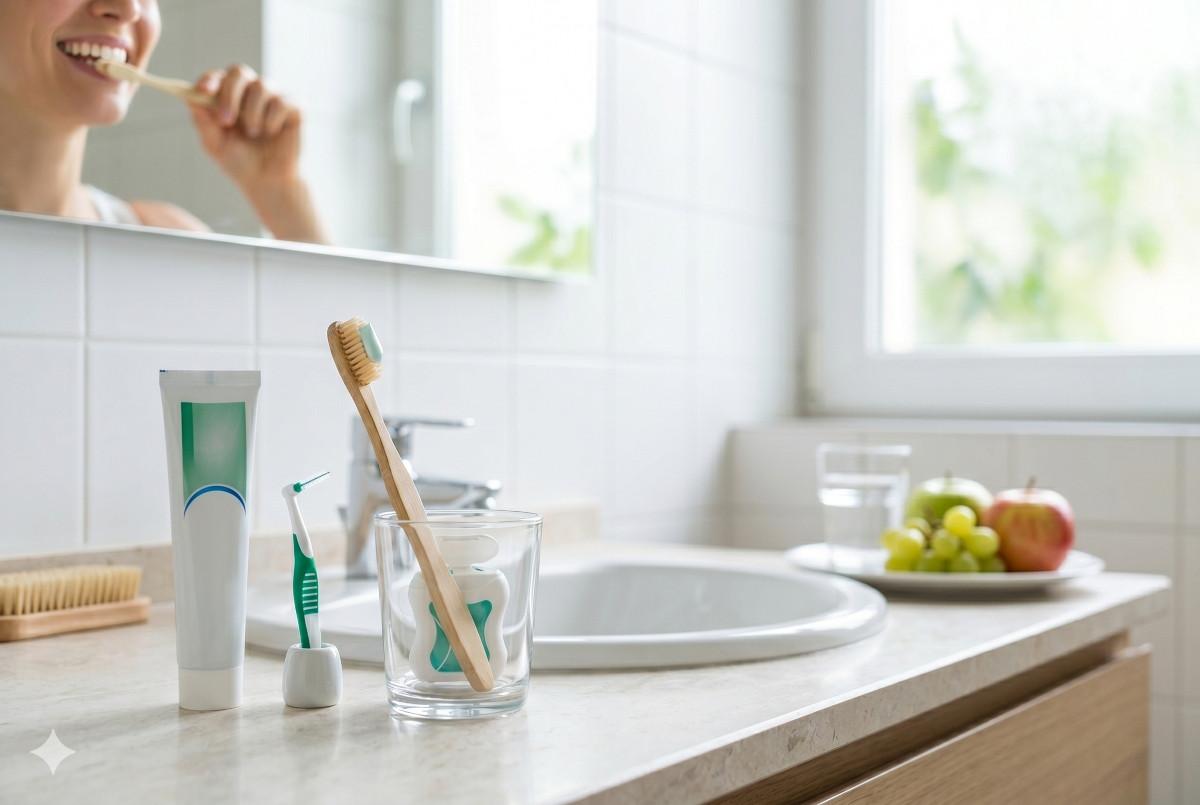
Daily Dental Care Routine: 7 Easy Steps for a Healthier Smile
A consistent dental care routine is one of the simplest ways to protect your teeth and gums. Brushing regularly, cleaning between your teeth, choosing fluoride toothpaste, and making healthy food choices can help reduce the risk of tooth decay and gum disease.
The good news is that maintaining good oral hygiene does not require a complicated collection of products. A few simple habits, practiced every day, can make a meaningful difference.
Whether you want to improve your morning routine, refresh your bedtime habits, or learn how to care for your teeth more effectively, this guide explains seven practical steps for maintaining a healthy smile.
Why Is a Daily Dental Care Routine Important?
Your mouth naturally contains bacteria. Some bacteria combine with food particles to form plaque, a sticky film that collects on teeth. When plaque is not removed regularly, it can contribute to cavities, gum inflammation, and other oral health problems.
A proper dental care routine helps remove plaque, deliver fluoride to the teeth, and keep your gums healthy. It also helps you notice changes such as bleeding gums, persistent bad breath, or tooth sensitivity before they become more serious.
Daily oral care is important, but it does not replace professional dental examinations. Your dentist can identify problems that may not be obvious at home and recommend care based on your individual needs.
7 Easy Steps for a Proper Dental Care Routine
1. Brush Your Teeth Twice a Day
Brushing is the foundation of an effective dental care routine. The American Dental Association (ADA) recommends brushing twice daily for two minutes with fluoride toothpaste.
Brush once in the morning and again before going to bed. Nighttime brushing is particularly important because it removes plaque and food debris that have accumulated throughout the day.
For effective brushing:
- Use a soft-bristled toothbrush.
- Hold the brush at approximately a 45-degree angle toward your gumline.
- Move it gently in short strokes.
- Clean the outside, inside, and chewing surfaces of every tooth.
- Brush the inside surfaces of your front teeth carefully.
- Clean your tongue gently to help remove bacteria that contribute to bad breath.
Avoid brushing aggressively. Applying too much pressure can irritate your gums and contribute to tooth wear.
Both manual and powered toothbrushes can clean teeth effectively when used correctly. Choose one that feels comfortable and allows you to reach all areas of your mouth.
Replace your toothbrush or electric toothbrush head every three to four months, or sooner if the bristles become frayed.
2. Choose a Fluoride Toothpaste
Fluoride helps strengthen tooth enamel and makes teeth more resistant to acid attacks that cause cavities. That is why fluoride toothpaste is an important part of a daily dental care routine.
When shopping for toothpaste in the United States, look for a product with fluoride and, if available, the ADA Seal of Acceptance.
Different toothpastes serve different purposes. Some are designed for sensitive teeth, while others focus on cavity prevention or tartar control. Your dentist can help you select a product that fits your needs.
Keep these points in mind:
- Use toothpaste containing fluoride unless your dental professional recommends otherwise.
- Follow the product label and your dentist’s instructions.
- Spit out toothpaste after brushing rather than swallowing it.
- Keep toothpaste out of reach of young children.
Children need age-appropriate amounts of toothpaste and adult supervision. Ask a pediatric dentist about the right product and amount for your child.
How Long Does Tooth Extraction Take to Heal
3. Clean Between Your Teeth Every Day
A toothbrush cannot effectively reach every tight space between your teeth. Food particles and plaque can accumulate in these areas, increasing the risk of cavities and gum problems.
Clean between your teeth once a day using dental floss or another suitable interdental cleaner.
To use traditional floss:
- Take a length of floss and gently guide it between two teeth.
- Curve the floss around one tooth in a C shape.
- Move it gently up and down, including just beneath the gumline.
- Repeat along the neighboring tooth.
- Use a clean section of floss as you move through your mouth.
Do not snap floss forcefully into your gums.
If traditional floss is difficult to handle, consider floss holders, interdental brushes, or a water flosser. The best option depends on your teeth, the spaces between them, and your individual needs.
You can floss before or after brushing. The important thing is to clean between your teeth thoroughly every day.
4. Use Mouthwash When Appropriate
Mouthwash can be a useful addition to an oral hygiene routine, but it is not a substitute for brushing and flossing.
Some mouthwashes are designed to freshen breath, while others contain active ingredients that help control plaque, gingivitis, or tooth decay. Fluoride mouthwash may be helpful for people who need additional cavity protection.
Before choosing a mouthwash, consider the following:
- Select a product suited to your oral health needs.
- Look for the ADA Seal of Acceptance when choosing an over-the-counter product.
- Follow the product’s directions and age restrictions.
- Ask your dentist whether a therapeutic or prescription rinse would be beneficial.
Children younger than six generally should not use mouthwash unless directed by a dentist because they may swallow it accidentally.
If you use fluoride toothpaste, avoid rinsing your mouth vigorously with water immediately afterward, as this can wash away some of the remaining fluoride. Follow any specific instructions provided with your dental products.
5. Eat Foods That Support Healthy Teeth and Gums
Your diet plays an important role in oral health. Frequently consuming sugary snacks and drinks exposes your teeth to acids that can contribute to tooth decay.
A tooth-friendly eating pattern includes a variety of nutritious foods, such as:
- Fresh vegetables and whole fruits.
- Plain yogurt, milk, and other calcium-rich foods without added sugar.
- Eggs, fish, beans, and other sources of protein.
- Whole grains, nuts, and seeds when appropriate for your needs.
- Water, particularly fluoridated tap water where available.
Try to limit frequent sugary snacks, sweetened beverages, and sipping sugary drinks throughout the day. Having snacks as part of a meal rather than eating them repeatedly between meals may also help reduce repeated acid exposure.
Water helps keep your mouth hydrated and can wash away some food particles. Fluoridated drinking water also provides an additional source of fluoride.
You do not need an expensive diet or special oral health products to begin improving your habits. Consistent choices and regular dental care are more important than following complicated routines.
6. Protect Your Teeth Between Dental Visits
A good dental care routine includes protecting your teeth from preventable damage.
Avoid using your teeth to open packages, bite hard objects, or crack shells. These habits can chip or fracture teeth.
If you play contact sports or participate in activities with a risk of facial injury, ask your dentist about an appropriate mouthguard.
Smoking and other tobacco use can increase the risk of gum disease and other oral health problems. Avoiding tobacco supports your overall health as well as your oral health.
Pay attention to changes in your mouth. Persistent tooth pain, unusual sensitivity, swollen gums, bleeding during brushing, or a sore that does not heal should not be ignored. Arrange a dental evaluation rather than relying on mouthwash or home remedies to resolve the problem.
7. Visit Your Dentist Regularly
Even an excellent home dental care routine cannot identify or treat every oral health problem. Professional dental visits help detect cavities, gum disease, and other conditions and provide treatment when necessary.
Your ideal appointment schedule depends on your oral health, medical history, risk of tooth decay, and history of gum disease. Some people need more frequent visits than others.
During an appointment, your dental professional may:
- Examine your teeth and gums.
- Check for cavities and signs of gum disease.
- Recommend professional cleaning.
- Review your brushing and flossing techniques.
- Suggest fluoride treatments or other preventive care when appropriate.
Do not assume that everyone needs exactly the same appointment schedule. Follow the recommendation provided by your dental professional.
If you do not have dental insurance, ask dental offices about self-pay fees, payment arrangements, or community dental clinics. Dental schools and community health centers may offer lower-cost services in some areas.
A Simple Morning and Night Dental Care Routine
Building a repeatable schedule makes daily oral care easier. Use this sample routine as a starting point and adjust it according to your dentist’s recommendations.
| Time | What to do |
|---|---|
| Morning | Brush for two minutes with fluoride toothpaste |
| During the day | Drink water and limit frequent sugary snacks |
| Evening | Clean between your teeth with floss or another interdental cleaner |
| Before bed | Brush for two minutes with fluoride toothpaste |
| As recommended | Use mouthwash or additional dental products if appropriate |
You can clean between your teeth before or after brushing. Choose an order that helps you remain consistent and clean thoroughly.
Common Dental Care Routine Mistakes to Avoid
Even people who brush every day may miss important parts of oral care. Watch out for these common mistakes.
Brushing too hard: Forceful brushing is not necessary to remove plaque. Use gentle pressure and a soft-bristled brush.
Brushing for too little time: Aim for two full minutes, twice a day. A timer can help you maintain the habit.
Skipping flossing: Brushing alone does not adequately clean every space between your teeth.
Using mouthwash instead of brushing: Mouthwash may offer additional benefits, but it cannot replace proper brushing and interdental cleaning.
Ignoring bleeding gums: Bleeding can be a sign of inflammation or another problem. Arrange a dental evaluation if it persists or recurs.
Waiting until a tooth hurts: Some dental problems develop without obvious symptoms. Routine professional care can help detect issues earlier.
Using worn toothbrushes: Frayed bristles may clean less effectively. Replace your brush or brush head regularly.
How to Maintain a Dental Care Routine Consistently
You do not have to change every habit at once. Start with the most important steps and build a schedule you can maintain.
Keep your toothbrush, toothpaste, and floss in an easy-to-reach place. Brush at the same times every day, such as after waking up and before bed. If you often forget to floss, place it beside your toothbrush as a reminder.
If you have limited hand mobility, dental implants, braces, dentures, or other special oral care needs, ask your dentist about suitable cleaning tools and techniques.
People with dry mouth, certain medical conditions, or medications that reduce saliva may need additional preventive care. Your dental professional can help tailor your routine.
Consistency matters more than complexity. A simple routine that you follow every day is a better starting point than an elaborate routine that is difficult to maintain.
Frequently Asked Questions
What is the best daily dental care routine?
For most people, the foundation is brushing twice daily for two minutes with fluoride toothpaste, cleaning between teeth once a day, limiting frequent sugary snacks and drinks, and visiting a dentist regularly.
How many times a day should I brush my teeth?
The ADA recommends brushing twice a day for two minutes with fluoride toothpaste. Brush gently and clean all tooth surfaces.
Should I floss before or after brushing?
Either order is acceptable if you clean thoroughly. Choose the order that helps you floss consistently and brush properly.
Is mouthwash necessary every day?
Not everyone needs mouthwash. It may provide additional benefits for certain oral health concerns, but it does not replace brushing or cleaning between teeth. Ask your dentist whether you would benefit from using it.
How often should I replace my toothbrush?
Replace your toothbrush or electric toothbrush head every three to four months, or earlier if the bristles become visibly frayed.
Can a good dental care routine prevent every cavity?
No. Consistent oral care can reduce the risk of tooth decay and gum disease, but it cannot guarantee that cavities will never develop. Diet, fluoride exposure, saliva, medical conditions, and other factors can influence your risk.
When should I see a dentist?
Follow your dentist’s recommended schedule for routine examinations. Seek professional advice for persistent pain, swelling, bleeding gums, unusual sensitivity, or other concerning changes. Severe swelling or difficulty swallowing or breathing requires urgent medical attention.
Final Thoughts
A healthy smile begins with a consistent dental care routine. Brush twice daily with fluoride toothpaste, clean between your teeth every day, make tooth-friendly food choices, and seek professional dental care at the intervals recommended for you.
You do not need to make your routine complicated. Focus on good technique, reliable habits, and early attention to problems. These practical steps can help you protect your teeth and gums over time.
Medical disclaimer: This article is for general educational purposes and does not replace individualized advice, diagnosis, or treatment from a licensed dental professional.
1 thought on “Daily Dental Care Routine: 7 Easy Steps for Healthy Teeth”