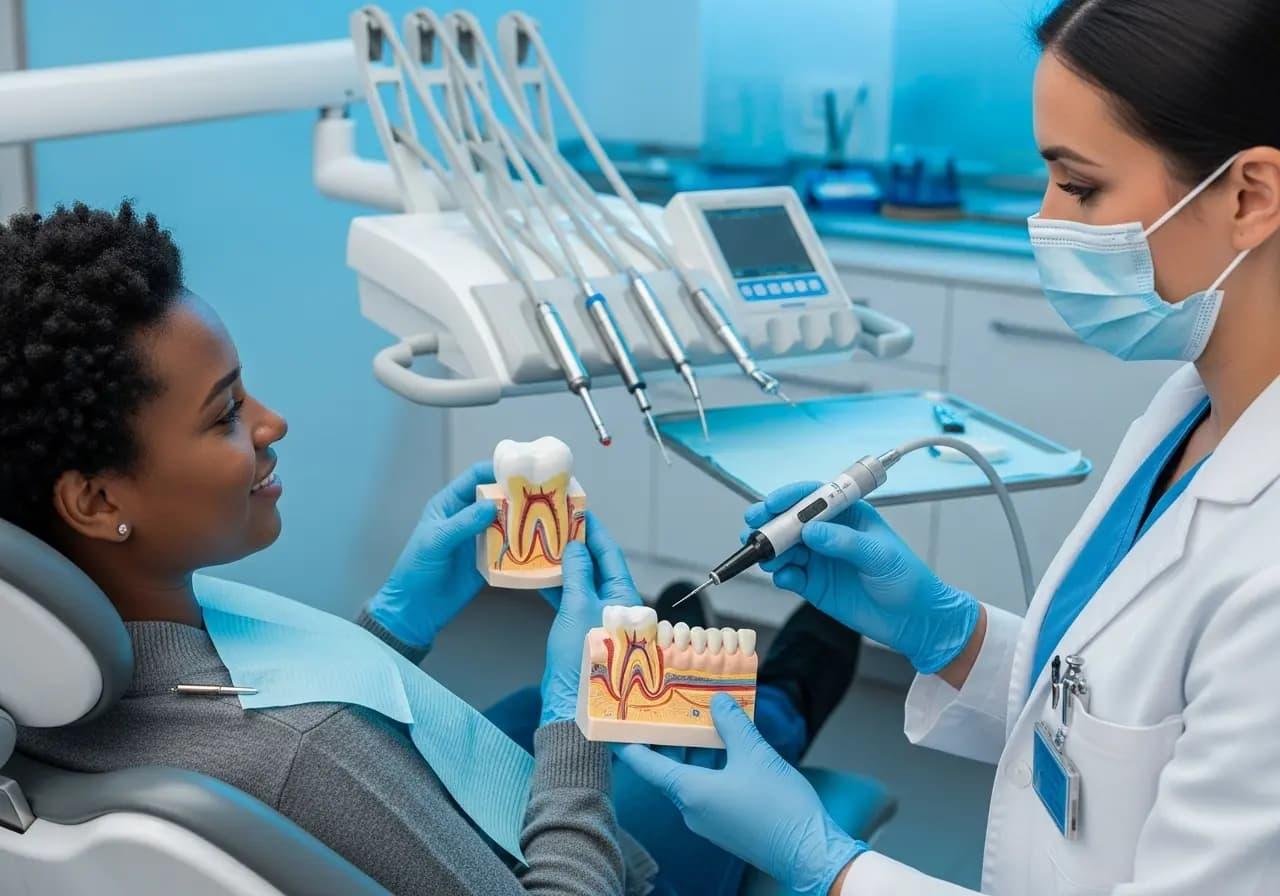
How Long Is a Root Canal Recovery? 7 Helpful Tips
If you have recently had a root canal, you may be wondering how long is a root canal recovery and when you can return to your normal routine. The good news is that most people experience mild soreness or tenderness for a few days after treatment. Many can return to work or other daily activities the same day, depending on how they feel and whether additional treatment was needed.
However, recovering from a root canal is not exactly the same for everyone. The condition of your tooth before treatment, the extent of any infection, and the type of restoration placed can all affect your healing experience.
In this guide, you will learn about the typical root canal recovery time, how long pain may last, what to eat, practical aftercare tips, and warning signs that should not be ignored.
How Long Is a Root Canal Recovery?
For most people, the initial recovery period after a root canal lasts a few days to about a week. Mild tenderness when biting or sensitivity around the treated tooth may continue during this time, but symptoms should generally improve rather than become more severe.
According to the Cleveland Clinic’s root canal recovery guidance, most people recover in less than a week, although individual experiences vary.
It is also important to understand that the surrounding tissues may take longer to heal, especially if infection or inflammation affected the area around the root. Your dentist may recommend follow-up examinations or X-rays to monitor healing.
Root Canal Recovery Timeline
| Time after treatment | What you may experience |
|---|---|
| First few hours | Numbness from local anesthesia and possible jaw soreness |
| First 24 hours | Mild tenderness or discomfort around the treated tooth |
| Days 2–3 | Soreness may continue but should generally begin improving |
| Days 4–7 | Many people feel more comfortable, although some tenderness may remain |
| Following weeks or months | Deeper tissues around the root may continue healing if they were affected by infection |
This is a general guide, not a guaranteed schedule. Your dentist or endodontist can explain what is expected for your particular tooth.
What Affects Root Canal Recovery Time?
Several factors can influence how quickly you feel better after treatment.
1. The Condition of Your Tooth
A tooth that was severely inflamed or infected before treatment may remain tender for longer than a tooth with less extensive inflammation.
Although a root canal removes infected or inflamed pulp from inside the tooth, the surrounding tissues may still need time to settle.
2. The Complexity of the Procedure
Some teeth have more complicated root canal anatomy than others. Molars, for example, often have multiple canals that require careful treatment.
A complex procedure or retreatment may involve a different recovery experience from a straightforward root canal.
3. The Type of Restoration
Your dentist may place a temporary filling before completing the final restoration. Depending on how much healthy tooth structure remains, you may need a permanent filling or crown.
Until the recommended restoration is completed, avoid putting unnecessary pressure on the treated tooth. Follow your dentist’s instructions about chewing and follow-up appointments.
4. Your Individual Healing Process
General health, oral hygiene, and the severity of the original problem may influence recovery. If you have ongoing discomfort, your dentist can assess whether it is consistent with normal healing or requires further attention.
How Long Does Root Canal Pain Last?
Mild pain or tenderness after a root canal commonly lasts a few days and gradually decreases. Some people experience sensitivity when biting or chewing during the initial recovery period.
It is useful to pay attention to how your symptoms change over time.
- Usually less concerning: Mild tenderness that gradually improves.
- Needs a dental assessment: Pain that persists without improvement, becomes more severe, or returns after getting better.
- Needs prompt attention: New or increasing swelling, severe pain, or symptoms accompanied by fever.
Persistent pain does not automatically mean the root canal has failed. The cause may be inflammation, an uneven bite, a problem with the restoration, or another dental issue. Only a dental examination can determine what is happening.
The American Association of Endodontists’ post-treatment care guidance explains which symptoms warrant contacting your endodontist.
7 Helpful Root Canal Aftercare Tips
Good aftercare can help protect your treated tooth while the surrounding tissues recover. Always follow the instructions provided by your own dental professional.
1. Wait Until the Numbness Wears Off
Local anesthesia can leave your mouth numb for several hours. Avoid chewing until normal sensation returns, because you could accidentally bite your cheek, tongue, or lips.
Ask your dentist whether there are any additional restrictions specific to your treatment.
2. Choose Soft Foods Initially
If your tooth feels tender, soft foods can make eating more comfortable. Consider options such as:
- Yogurt
- Scrambled eggs
- Mashed potatoes
- Applesauce
- Soft pasta
- Oatmeal that has cooled to a comfortable temperature
- Smooth soups that are not too hot
Avoid hard, crunchy, sticky, or chewy foods that place pressure on the treated tooth, particularly if you have a temporary filling.
Gradually return to your usual diet as your comfort improves and your dentist permits.
3. Avoid Chewing Hard Foods on the Treated Tooth
A tooth that has undergone root canal treatment may need a permanent filling or crown to restore its strength.
Until your dentist confirms that the tooth is adequately restored, avoid biting down forcefully on it. This is especially important if a temporary restoration is in place.
4. Continue Brushing and Flossing
Maintaining good oral hygiene helps keep your teeth and gums healthy during recovery.
Brush gently around the treated area and floss carefully. Unless your dentist advises otherwise, continue your usual oral hygiene routine rather than avoiding the area entirely.
5. Use Pain Relief Only as Directed
Your dentist may recommend an over-the-counter pain reliever or prescribe medication when appropriate.
Follow the product label and your dental professional’s instructions. If you take other medicines, have an underlying medical condition, are pregnant, or have been advised to avoid particular pain relievers, consult a healthcare professional or pharmacist about what is safe for you.
Do not exceed the recommended dose or combine medicines without checking their ingredients and instructions.
6. Avoid Smoking
Avoid smoking during recovery and ask your dentist how long you should refrain from it. Smoking can negatively affect oral health and may interfere with healing.
7. Attend Your Follow-Up Appointments
A root canal may not be the final step in restoring your tooth. Your dentist may need to place a permanent filling or crown and monitor the surrounding tissues.
Do not postpone a recommended restoration simply because the pain has stopped. Ask your dentist when the final restoration should be completed and whether follow-up examinations or X-rays are necessary.
Can You Go to Work the Day After a Root Canal?
Many people can return to work or school the same day or the following day. Your decision should depend on how comfortable you feel, the complexity of the treatment, and whether sedation or medication affects your ability to work safely.
If you experience significant pain or feel unwell, contact your dental office for advice rather than forcing yourself to resume your normal routine.
If you received sedation, follow the specific instructions from your dental team about driving, work, and other activities.
When Should You Call a Dentist After a Root Canal?
Although mild tenderness can be part of normal recovery, certain symptoms require professional assessment.
Contact your dentist or endodontist promptly if you experience:
- Severe pain or pressure that continues for more than a few days.
- Pain that gets worse instead of gradually improving.
- New or increasing swelling around your tooth, gums, cheek, or jaw.
- Symptoms similar to those you experienced before treatment.
- A temporary filling or crown that comes loose.
- A bite that feels uneven or as though the treated tooth hits first.
Seek urgent medical or dental care if you develop facial swelling with fever or signs of a spreading infection. Difficulty breathing or swallowing requires emergency medical attention.
Do not rely on home remedies alone if you suspect an infection. A dental professional needs to determine the cause and recommend appropriate treatment.
Does a Root Canal Need More Treatment After the Pain Stops?
Sometimes, yes. The disappearance of pain does not necessarily mean that every step of treatment is complete.
Your dentist may recommend a permanent filling or crown to protect the tooth, depending on how much healthy tooth structure remains. If infection affected the tissues around the root, follow-up examinations may also be needed to monitor healing.
Completing the recommended treatment and attending follow-up appointments helps your dental team identify potential problems and protect the tooth over the long term.
If you are still planning your treatment, read our guide to how long a root canal procedure takes. If you are comparing treatment expenses, see our guide to root canal cost with and without dental insurance.
Frequently Asked Questions
1. How long does it take for a root canal to heal completely?
Mild soreness often improves within several days to about a week. If infection affected the tissues or bone around the root, deeper healing may take longer. Your dentist can assess your recovery and recommend follow-up care when needed.
2. Is pain three days after a root canal normal?
Mild tenderness can still occur after three days, particularly if it is gradually improving. Contact your dentist if pain becomes severe, gets worse, or occurs with swelling.
3. Can I eat normally after a root canal?
Wait until the numbness wears off before eating. Choose soft foods initially and avoid chewing hard or sticky foods with the treated tooth until your dentist confirms it is safe, especially if you have a temporary filling.
4. Can I go to work the day after a root canal?
Many people can return to their normal activities the same day or the following day. Your comfort level, treatment complexity, and any sedation or medication should guide your decision.
5. Why does my tooth hurt when I bite after a root canal?
Temporary inflammation around the root may cause tenderness when biting. An uneven bite or another dental issue may also contribute. If the tooth feels as though it hits first, or the pain persists or worsens, arrange a dental evaluation.
6. Can a root canal fail even if the pain goes away?
Persistent or recurrent problems can occur even after symptoms improve. Completing the recommended restoration and attending follow-up visits are important. If symptoms return, your dentist can assess the tooth.
7. When should I worry about swelling after a root canal?
New or increasing swelling should be assessed promptly. Swelling accompanied by fever or spreading facial swelling needs urgent attention. Difficulty breathing or swallowing requires emergency care.
Final Thoughts
So, how long is a root canal recovery? For most people, mild soreness and tenderness improve over several days, and many feel substantially better within a week. However, healing can take longer when the surrounding tissues have been affected by infection or inflammation.
Protect your treated tooth, choose comfortable foods, maintain good oral hygiene, and complete the restoration recommended by your dentist. Most importantly, contact your dental professional if pain worsens, swelling develops, or symptoms return instead of improving.
Medical disclaimer: This article is for general educational purposes only. It does not replace an examination, diagnosis, or personalized advice from a qualified dentist or endodontist.